Article series
Human & AI Memory Science
Strange experiments with monkeys, worms, word lists and sleeping brains, and what each one teaches us about building AI that remembers people accurately. By The Konshus Team.
Where memory begins

The science
What Is the Difference Between Knowing and Remembering?
Knowing a fact differs from recalling an experience. Explore episodic and semantic memory, mental time travel, and why personal context matters so much.
What it means for AI
What Does It Mean for AI to Remember?
AI memory needs more than stored facts: it needs sources, context, time, and correction. Learn how proposed designs could preserve personal events.
The science
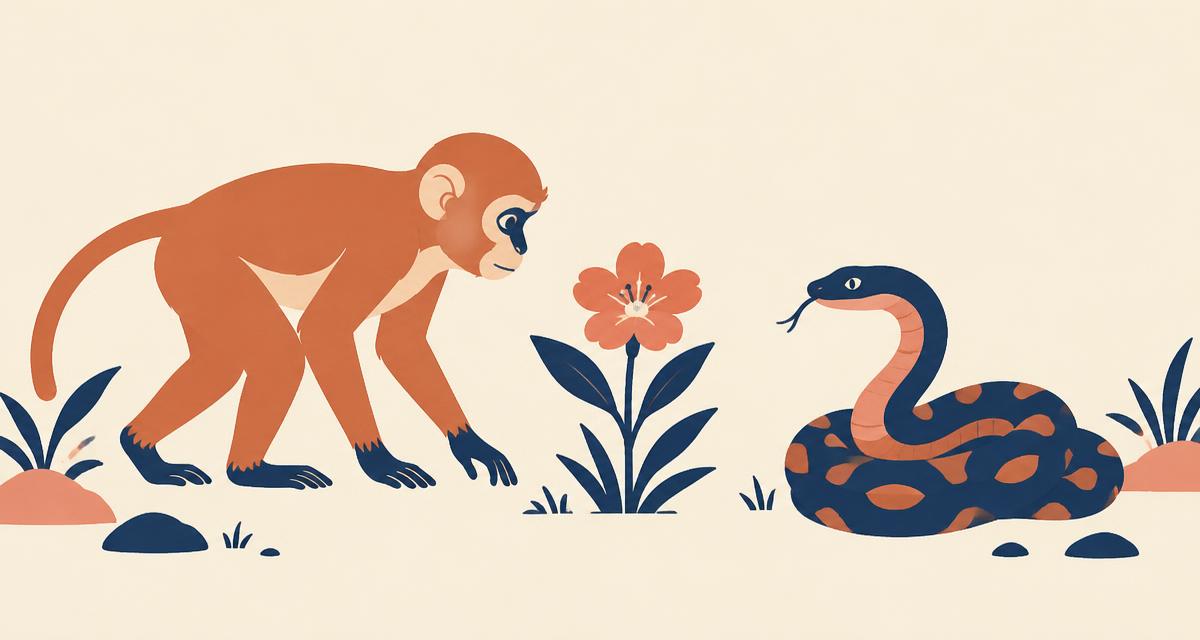
Can Monkeys Inherit Fear of Snakes?
Monkey experiments suggest a readiness to learn snake fear, not inherited memories. Explore what infant attention and mouse studies can—and cannot—show.
What it means for AI
Can AI Learn Before It Meets You?
An AI can arrive with useful prior learning without knowing your life. Learn how pretraining differs from personal memory and why evidence must come first.
The science
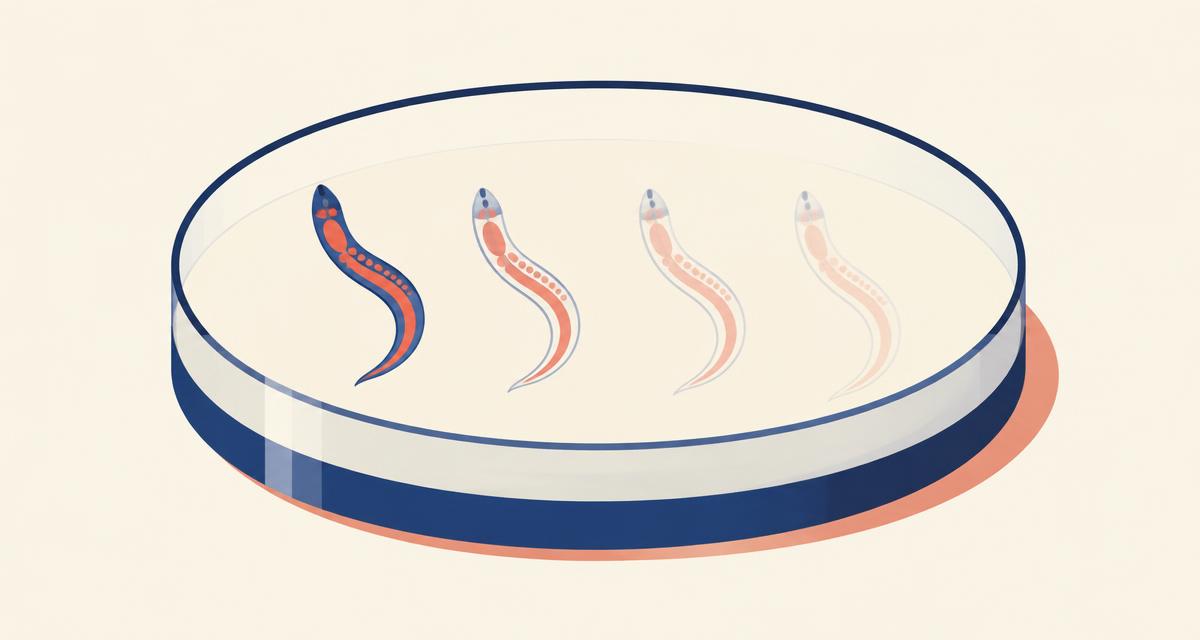
Can worms inherit memories?
Worm studies suggest pathogen avoidance can pass to descendants through small-RNA pathways, but inherited behavior is not an ancestor’s personal memory.

What it means for AI
Should AI memory rules expire?
AI memory rules should face review when evidence or context changes, while personal records remain distinct from the policies used to interpret them.
The past we construct
The science
Why do we remember words we never heard?
False-memory experiments show how meaning, suggestion, and source confusion can make an absent word feel remembered—and why confidence is not proof.

What it means for AI
Can AI create false memories?
An AI can turn a plausible guess into persistent personal context; source-aware memory design aims to keep evidence, interpretation, and possibility apart.
The science
Why can I remember a fact but forget who told me?
Source memory helps us track where information came from. Explore why familiarity, fiction, and imagination can blur the origins of what we remember.
What it means for AI
Who owns a memory in AI?
An AI memory needs more than accurate words: it needs clear origins, permissions, and corrections so fiction and suggestions do not become personal facts.
The science
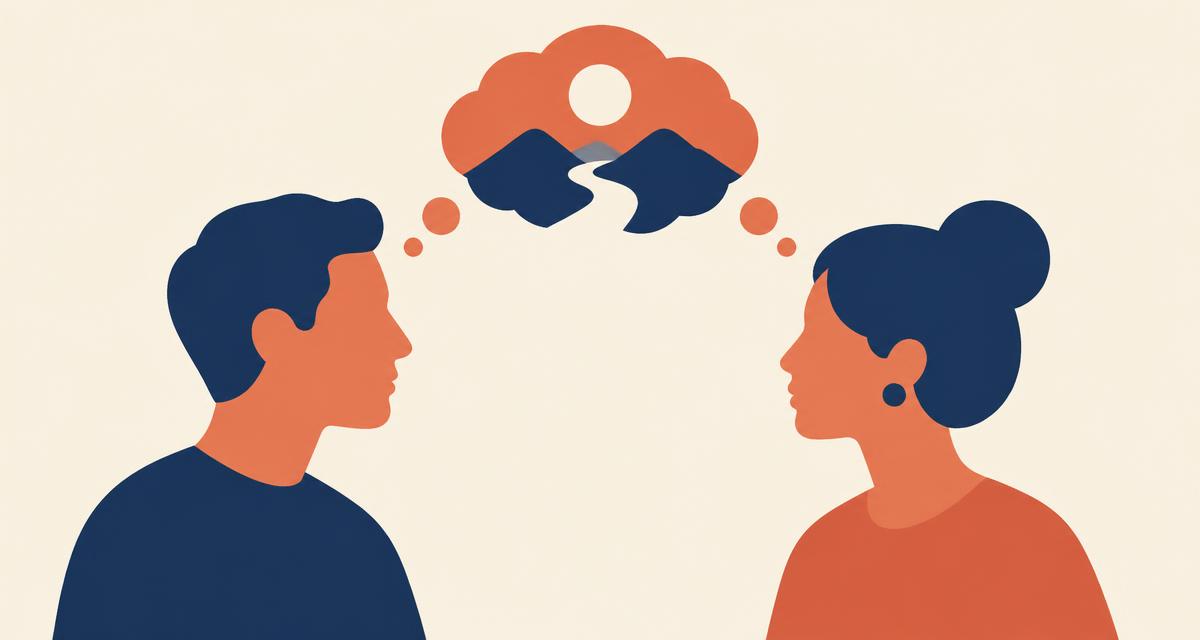
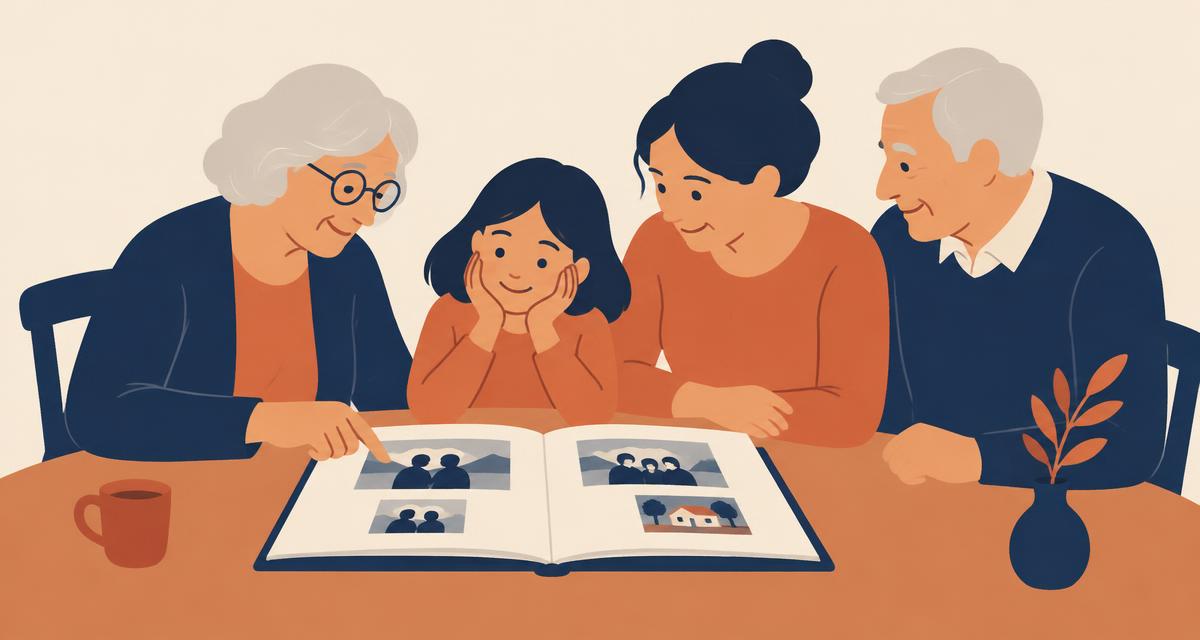
How do couples and groups share memories?
Explore how couples and groups divide the work of remembering, why collaboration can enrich stories, and how shared recall can also introduce mistakes.
What it means for AI
How should AI handle shared family memories?
AI could help families preserve different accounts without choosing one official story, using clear attribution, uncertainty, permissions, and original records.
What remembering changes
The science
Can remembering make you forget?
Retrieving one memory can make related information harder to recall. Explore the experiments, competing explanations, and effects of shared remembering.

What it means for AI
Does AI forget what it stops searching?
An AI can retain a memory yet fail to retrieve or use it. Explore a proposed test of repeated retrieval, overlooked evidence, and self-reinforcing summaries.

The science
Why does sleep help memory?
Sleep can reactivate, reorganize, and selectively weaken memories. Explore what animal and human studies reveal, and where the evidence remains uncertain.

What it means for AI
Should AI sleep?
AI does not need biological sleep, but scheduled memory review could help. Explore a design proposal for updating facts without inventing personal history.

The science
How does surprise rewrite old memories?
Surprise can influence whether memories are updated or kept alongside new learning. Explore rat experiments, human findings, and important limits.

What it means for AI
How should AI handle changing facts?
Personal AI should update current facts without erasing history. Explore proposals for tracking corrections, changed plans, sources, and uncertainty.
The science
How do you know what you don’t know?
Explore how people monitor memory, why confidence can mislead, and what two rhesus monkeys reveal about the practical value of knowing when to stop.
What it means for AI
Can AI know what it doesn’t know?
AI can check evidence and withhold unsupported answers, but fluent confidence is not proof. Explore proposals for more trustworthy personal AI memory.
What memory is for

The science
Did Memory Evolve to Imagine the Future?
Memory helps us construct possible futures from past experiences. Explore the experiments behind this idea, its limits, and what imagining tomorrow can do.

What it means for AI
How Should AI Memory Distinguish Plans From Predictions?
A personal AI should separate past facts, possible futures, predictions, and intentions. Learn why changing plans require context, revision, and permission.